API Icons for Embroidery Projects
A First Look at API Icons
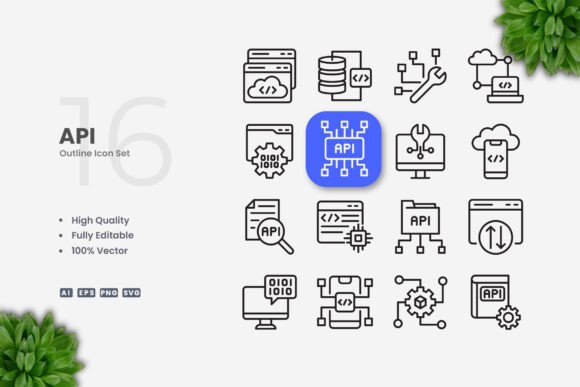
When I first opened the API Icons file, I was struck by how clean and minimal the design felt. These icons are not overloaded with details or intricate patterns that might complicate stitching. Instead, they offer a simple, modern aesthetic that feels both professional and approachable. The mood they create is one of clarity and precision—perfect for projects where visual simplicity is key.
The shapes are well-defined, and the layout is balanced, making them feel like they were crafted with purpose. This kind of design naturally belongs in digital spaces like websites and apps, but I found myself thinking about how they could translate into real-world embroidery projects. Their clean lines and subtle detail levels make them ideal for custom apparel, patches, and even small decorative accents on tote bags or aprons.
Real-Life Use: A Custom Embroidered Tote Bag
Let’s imagine a scenario where I’m preparing a custom embroidered tote bag for a small shop. I want to add a subtle logo or graphic to the front without overwhelming the fabric. API Icons fit perfectly here. The icon’s size and structure allow it to be scaled down easily while maintaining its integrity.
I would test the design on scrap fabric first, checking how the stitch density interacts with different thread colors. Since these icons are perfect for machine embroidery design, I’d ensure that the hoop size matches the design dimensions and that the stabilizer is appropriate for the fabric texture. For a tote bag, a lightweight woven fabric would work best, allowing the icon to stand out without appearing too rigid.
One thing I noticed during this process was how the icons maintain their visual appeal even when resized. They don’t lose definition or become blurry, which is essential for embroidered patch or sweatshirt embroidery projects. Customers would likely appreciate the clean look, especially if the tote is being sold as a handmade product or personalized gift.
Where API Icons Shine
API Icons perform exceptionally well in a variety of embroidery situations. Here are some of the most common use cases:
- Custom Apparel: Sweatshirts, t-shirts, and caps can benefit from the subtle presence of an icon. It adds personality without overpowering the garment.
- Baby Items: From onesies to blankets, these icons bring a touch of modern style to baby embroidery projects.
- Patches and Aprons: Their compact size makes them great for embroidered patches or adding small accents to aprons and kitchen towels.
- Gifts and Merchandise: Whether it's a holiday gift, wedding favor, or boutique product, these icons enhance the presentation of handmade items.
- Digital Mockups: As digital embroidery files, they are easy to integrate into printable mockups or craft business listings for Etsy sellers or small shop owners.
Areas to Approach with Caution
While API Icons are versatile, there are a few scenarios where extra care should be taken:
- Small Hoop Sizes: If you're working with limited space, ensure the icon is scaled appropriately to avoid distortion.
- Dark Fabrics: Thread color contrast becomes more critical here. Testing the design in black and white mockups before finalizing can help prevent issues.
- Stretchy or Textured Fabrics: These materials may affect stitch clarity. Using a proper stabilizer and adjusting stitch density can help maintain quality.
- Curved Surfaces: When applying the icon to curved areas like caps or hats, consider the placement and how the design will interact with the surface shape.
Design Impact and Practical Notes
Using API Icons can elevate the visual appeal of your embroidery projects. They contribute to brand consistency, professionalism, and buyer engagement, especially when used in commercial embroidery or small shop product lines. Their minimalist nature also allows for creative flexibility, whether you're designing for personal use or selling finished products online.
For Etsy sellers or handmade shop owners, incorporating these icons into your designs can add value and differentiate your products from others. However, always confirm licensing terms before selling any finished items or digital embroidery files.
Some practical designer notes include:
- Test on Scrap Fabric: Always check how the design looks before committing to a full project.
- Review Stitch Density: Adjust settings based on the fabric type and desired effect.
- Confirm Hoop Size: Ensure your machine setup aligns with the design specifications.
- Use Proper Stabilizer: Especially important for stretchy or thin fabrics.
- Compare Light and Dark Backgrounds: This helps determine the best thread colors for visibility.
Final Thoughts
API Icons offer a clean, modern solution for designers looking to add subtle yet meaningful graphics to their embroidery projects. Whether you're creating custom apparel, personalized gifts, or commercial embroidery assets, these icons provide a strong foundation for thoughtful design.
As a designer who values both aesthetics and functionality, I find these icons to be a valuable addition to my toolkit. They’re not just graphics—they’re tools that help tell a story, enhance a product, and connect with customers in a meaningful way.