Compost Icons: A Simple Graphic Asset for Digital Sellers
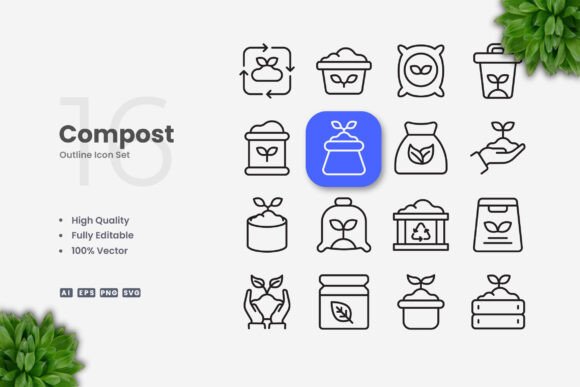
As someone who regularly creates digital products for Etsy, print-on-demand platforms, and Canva templates, I'm always on the lookout for graphic design assets that can elevate my product offerings. Recently, I came across Compost Icons, a set of simple and clean icon designs that promise to be versatile for a wide range of uses. Let me walk you through how these icons could fit into your own creative workflow.
First Impressions: Clean and Versatile
The first thing I noticed about Compost Icons is their clean aesthetic. The designs are minimalist, with clear lines and a modern feel. This makes them ideal for digital product creators looking to maintain a consistent visual identity across multiple platforms. Whether you're designing for social media graphics, website elements, or printable designs, these icons bring a sense of professionalism without being overly complex.
The mood of these icons feels neutral and adaptable, which means they can easily be styled to match various brand identities. They don't scream "eco-friendly" or "handmade," but they do have an organic quality that might appeal to niche audiences interested in sustainability, gardening, or natural living.
Real-World Applications for Digital Sellers
One of the best aspects of Compost Icons is their flexibility. As a seller preparing new products for Etsy or Creative Fabrica, I can see these icons being used in a variety of ways:
- SVG Products: These icons work well as standalone SVG files for digital downloads or as part of larger design bundles.
- PNG Designs: Perfect for use in t-shirt designs, mug prints, or tote bag prints where transparency and scalability are important.
- Clipart Bundles: Pair these icons with other graphic design assets to create themed clipart collections.
- Sublimation Designs: Their clean edges make them suitable for sublimation printing on mugs, tumblers, and apparel.
- Digital Paper Packs: Use them as decorative elements in background papers or patterned designs.
- Social Media Templates: Incorporate them into Instagram posts, Facebook covers, or Pinterest pins to enhance visual storytelling.
They also seem like a good fit for Cricut projects or Silhouette cutting machines, provided the stroke weight and detail level are suitable for precise cuts.
Enhancing Product Presentation with Icons
When it comes to online selling, visuals play a huge role in customer decisions. Compost Icons can help improve your product presentation in several key areas:
- Mockup Previews: Use these icons in mockups to showcase how final products will look before publishing listings.
- Thumbnail Appeal: Include them in thumbnails to draw attention and improve click-through rates on marketplace listings.
- Listing Images: Add them to listing images to create more engaging and informative product visuals.
- Brand Consistency: Use them consistently across your product line to reinforce brand identity and visual hierarchy.
- Customer Trust: High-quality, professional-looking icons can contribute to perceived value and trust in your brand.
Where Compost Icons Work Best
These icons shine in scenarios where clarity and simplicity are key. They perform exceptionally well in:
- Large Product Previews: Their clean style works well when scaled up for banners, posters, or wall art.
- Themed Bundles: Group them with other related icons or illustrations to create cohesive design bundles.
- Decorative Layouts: Use them as accents in layouts for planners, calendars, or greeting cards.
- Printable Products: Ideal for use in printable wall art, planner stickers, or invitation templates.
- Social Media Promos: Incorporate them into promotional graphics for Instagram Stories, Facebook Ads, or email campaigns.
Where to Use with Caution
While Compost Icons are highly versatile, there are some situations where they may not be the best choice:
- Tiny Sticker Details: At very small sizes, the details may become too faint or lose clarity.
- Overly Complex Layouts: They may get lost in busy designs that require intricate layering.
- Low-Resolution Print Products: Ensure that the file resolution is high enough for print to avoid pixelation issues.
- Crowded Thumbnails: Too many icons in one thumbnail can make the image feel cluttered and unappealing.
- Weak Contrast: On dark backgrounds, the icons may not stand out unless contrast is carefully managed.
Practical Seller Notes
Before incorporating Compost Icons into your product line, consider the following tips:
- Test on Real Mockups: Preview the icons on actual product mockups to see how they look in context.
- Check Background Compatibility: Test them on both white and dark backgrounds to ensure versatility.
- Verify Print Colors: If using for print-on-demand products, check how the colors render in different print processes.
- Inspect PNG Transparency: Make sure the PNG files have proper transparency for layered designs.
- Confirm SVG Cut Quality: For Cricut or Silhouette users, test the SVG files for clean cutting lines.
- Organize Files Clearly: Present the icons in an organized format that's easy for customers to navigate.
- Pair with Fonts: Experiment with pairing the icons with serif, sans-serif, script, handwritten, and display fonts for varied aesthetics.
- Confirm Commercial Licensing: Always verify that the asset has a commercial license before selling finished products.
In summary, Compost Icons offer a clean and versatile graphic design asset that can be valuable for a range of digital and printable products. By testing them thoroughly and considering their best applications, you can confidently integrate them into your product catalog and enhance your overall offering for customers.